Shorts
Official manufacturer — Meiwa Seisakusho | Overseas inquiries via Kitchen Techno
Commercial Pressure Cooker Manufacturer — Meiwa Seisakusho
ラーメン繁盛店の秘訣
スープの仕込み時間短縮
品質の安定化 Precision Pressure.
Superior Stock.
Made in Japan.
スープの仕込み時間短縮
品質の安定化 Precision Pressure.
Superior Stock.
Made in Japan.
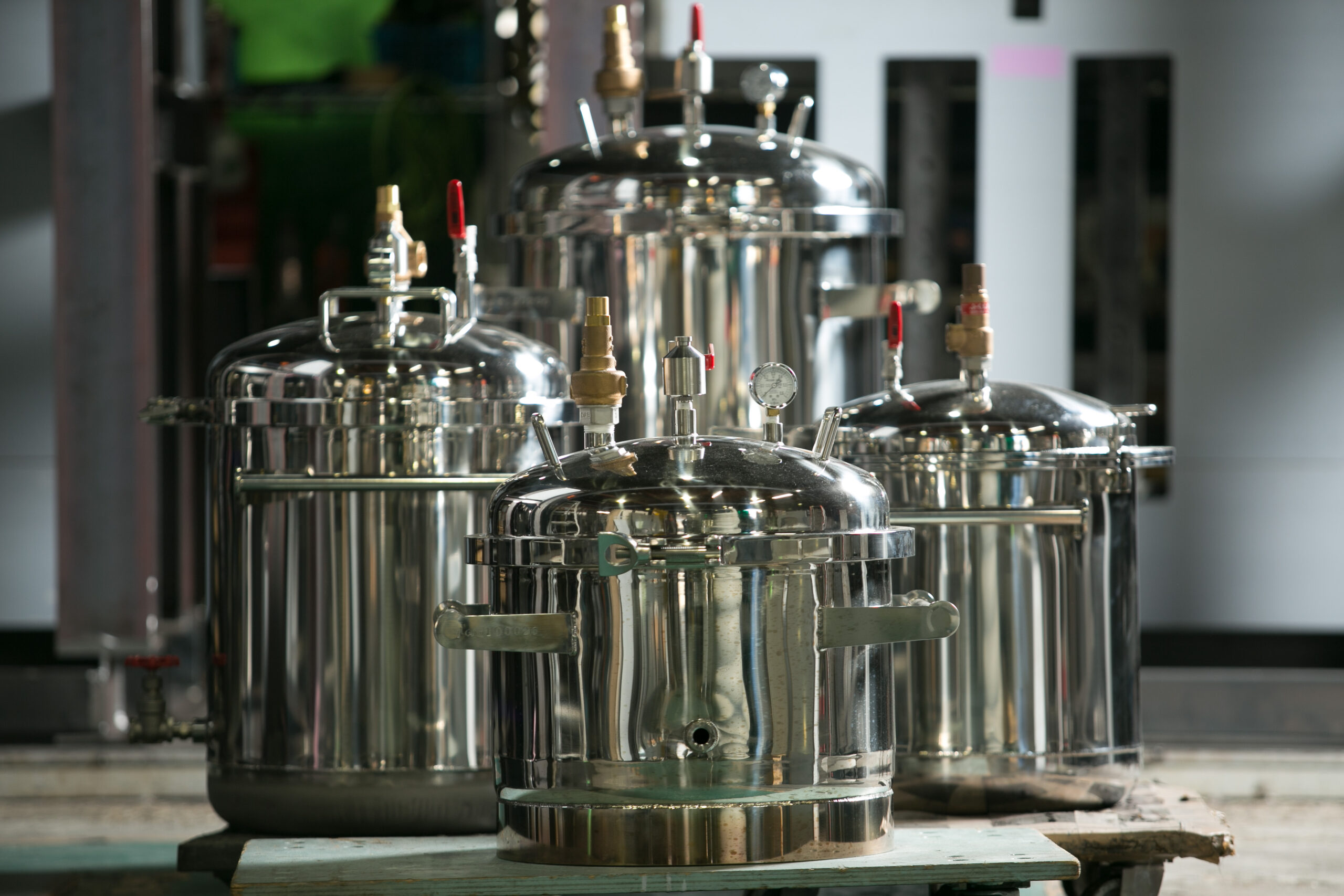
Commercial pressure cooker for ramen shops & restaurants. High-pressure cooking delivers rich ramen broth and bone broth in half the time — and can be manufactured to ASME BPVC Section VIII standards for global export.
30+
YEARS EXPERIENCE
Meiwa Seisakusho, a Tenpos Group company, is a specialist maker of commercial pressure cookers (pressure stockpots) for ramen shops and restaurants — from new openings to multi-store chains — cutting broth prep time to about half with high-pressure cooking, produced in-house from drawing to finished unit and available ASME-compliant.
WHAT IS A COMMERCIAL PRESSURE COOKER?
A commercial pressure cooker (pressure stockpot) is a large cooking vessel that uses high heat and pressure (about 120°C) to prepare ramen broth in a fraction of the usual time, built for ramen shops and professional kitchens.
1/2
COOKING TIME REDUCTION
4
MODELS (50L TO 130L)
OEM
CUSTOM ORDERS ACCEPTED
ASME
BPVC SEC. VIII COMPLIANT
Site last updated:
Features
「理想の味」と「劇的な効率化」を、この一台で両立させます。Why Choose Meiwa Pressure Cooker
Drawing on decades of stainless steel fabrication expertise, we build commercial kitchen equipment that prioritizes durability, safety, and ease of use.
01
ラーメンスープの調理時間を
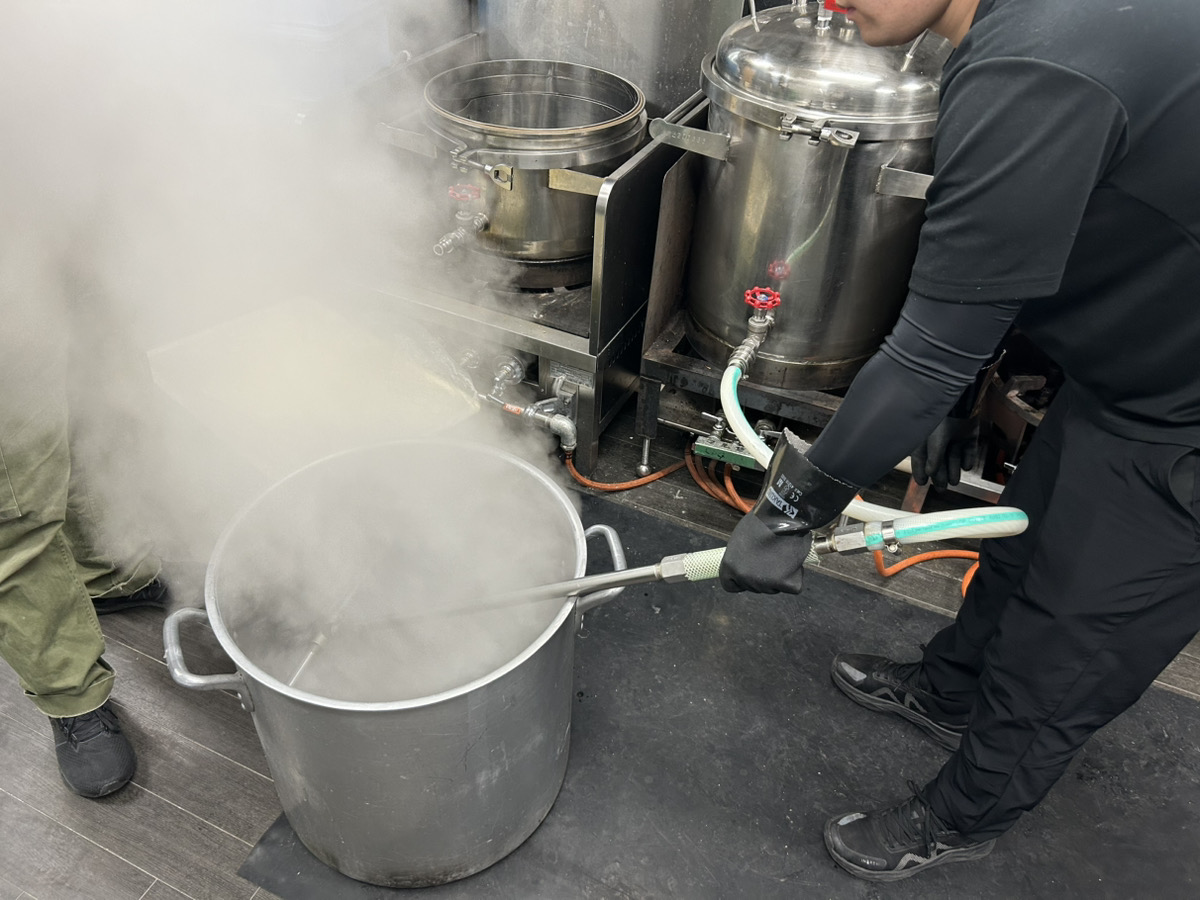
半分以下に短縮Half the Cooking Time
半分以下に短縮Half the Cooking Time
High-pressure cooking crushes bones and extracts deep umami fast, significantly reducing labor and energy costs.
02
誰でも安定した
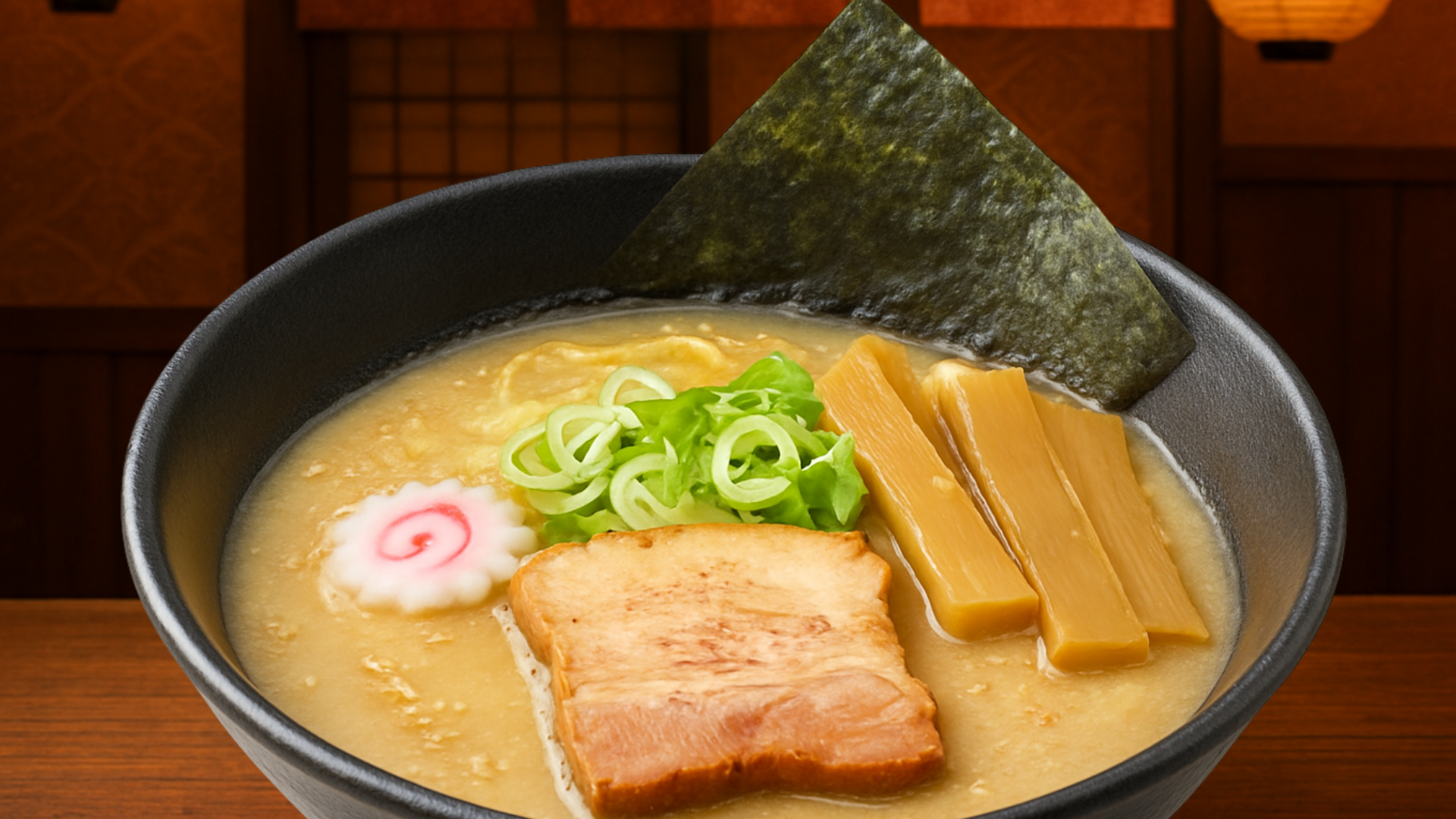
高品質スープConsistent Quality, Made Easier
高品質スープConsistent Quality, Made Easier
No stirring or straining. With the integrated emulsifier, even staff who are not experienced cooks can keep quality stable.
03
ステンレス加工
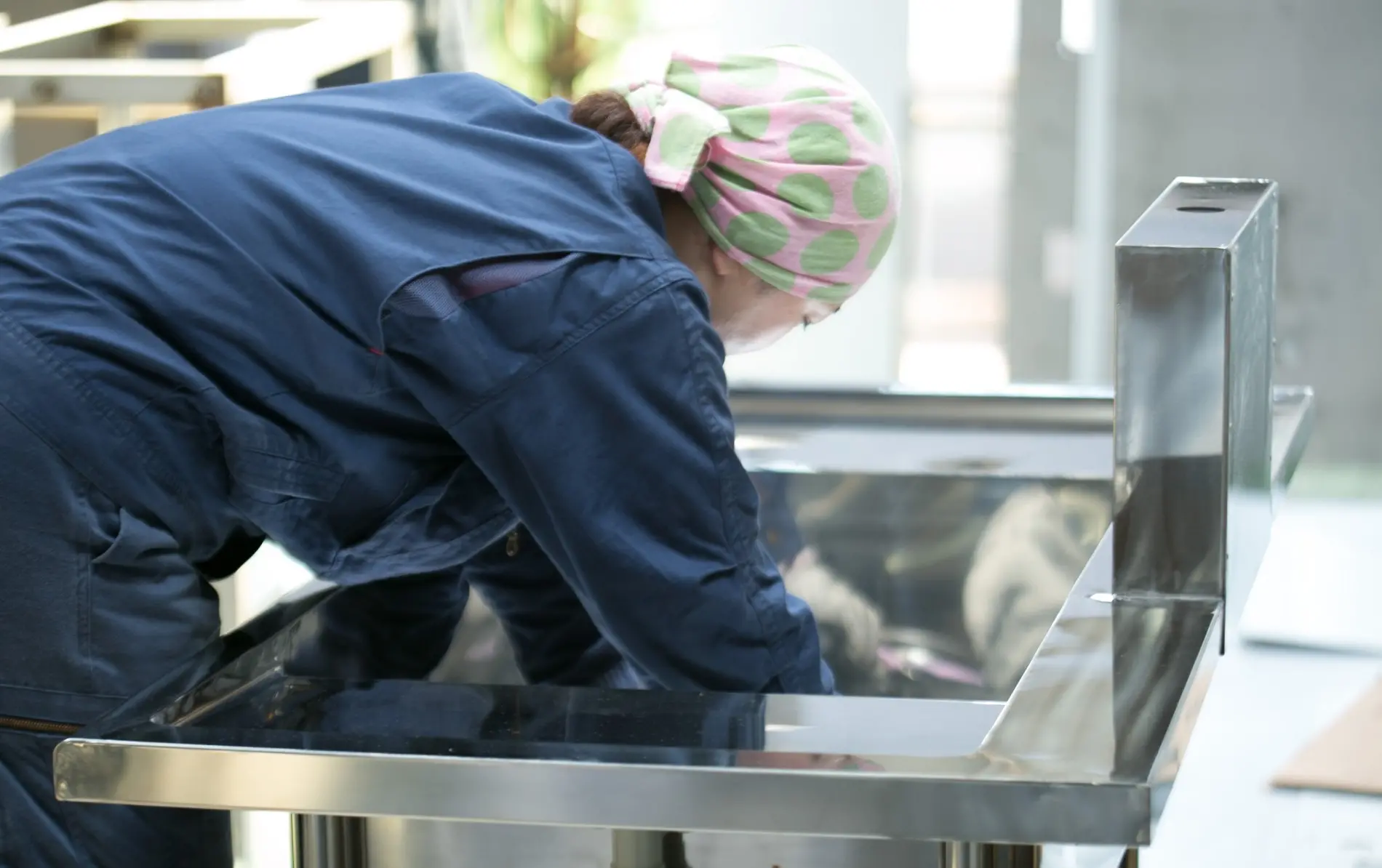
メーカーの品質Manufacturer-Grade Quality
メーカーの品質Manufacturer-Grade Quality
Full in-house production from blueprint to shipment. Food- and pharma-grade precision for commercial kitchens.
Product Lineup
4つのサイズから
最適な一台をFour Models.
One Perfect Fit.
Choose based on your daily prep volume and operation scale. OEM and custom sizes available on request.
Manufacturing Technology
板金屋から始まった
ステンレス加工の技術From Sheet Metal Shop
to Precision Manufacturer
We handle everything in-house — from blueprint to laser cutting, welding, polishing, assembly, and post-delivery support. The same precision trusted in food and pharmaceutical industries.
1
Blueprint & Design
Custom drawings to client specs. OEM and non-standard sizes welcome.
2
Laser Cutting, Press & Welding
State-of-the-art equipment combined with skilled craftsmanship for precise fabrication.
3
Polishing, Assembly & Inspection
100% inspection before shipment. Safety and quality are non-negotiable.
Factory Interior
Laser Cutting
Welding Process
Quality Inspection
International Compliance
ASME規格対応製品の
製造が可能です
ASME BPVC Compliant
Manufacturing Available
ASME Section VIII
Division 1 対応 ASME Section VIII, Div. 1
Pressure Vessel Standard
Division 1 対応 ASME Section VIII, Div. 1
Pressure Vessel Standard
We can fabricate pressure cooker conforming to ASME BPVC Section VIII, Div. 1 — covering design, materials, fabrication, inspection, and testing requirements for unfired pressure vessels.
BPVC SEC. VIII DIV. 1
溶接士資格・品質文書の整備
Welder Qualifications &
Quality Documentation
Quality Documentation
We support welding procedure specifications and welder qualifications per ASME Section IX, full material traceability, and required data reports (U-1 Form) for certification stamp application.
SEC. IX WELDING
OEM・特注サイズでの
ASME対応製造 OEM & Custom Sizes
ASME-Compliant
ASME対応製造 OEM & Custom Sizes
ASME-Compliant
ASME-compliant manufacturing is available for custom and OEM specifications beyond our standard four models. We will work with you to meet the regulatory requirements of your target export market.
OEM AVAILABLE
Target Export Markets
🇺🇸USA & Canada
🇦🇺Australia
🇸🇬Singapore
🇦🇪Middle East
🌏All ASME-adopting countries (100+)
Introduction Videos
圧力寸胴の
使い方・実演動画See It in Action
Watch our YouTube Shorts to see the pressure cooker in real kitchen action. Subscribe to our channel for updates.
Tonkotsu stock with pressure cooker
SHORTS · 0:58
Chicken paitan: traditional vs pressure
SHORTS · 0:52
How to use the emulsifier
SHORTS · 0:44
Factory manufacturing digest
SHORTS · 1:00
Owner testimonial – ramen shop
SHORTS · 0:55
Frequently Asked Questions
FAQ
Answers to our most common questions. If you can’t find what you need, feel free to get in touch.
A pressure cooker maintains high internal pressure during cooking, raising the boiling point enough to break down bones. Compared to conventional cookers, cooking time is reduced by more than half and umami extraction improves significantly.
Choose based on how much broth you prepare per day. Each batch yields about 20–25L with the 50L model, 40–55L with the 90L, 60–80L with the 110L and 66–100L with the 130L. If you are unsure, please consult us.
Results vary by soup type. Tonkotsu that previously took 4–6 hours can typically be ready in 1.5–2 hours. Similar reductions apply to chicken paitan and other rich stocks.
Yes. No stirring or straining skills are needed. With the dedicated emulsifier, even staff who are not experienced cooks can keep quality stable, and the same procedure can be followed even when staff change often.
For domestic pricing, please contact Meiwa Seisakusho (Tel: +81-6-6462-8221). Pricing varies by specification; a quote will be provided upon inquiry.
Yes. Soup-making trials are available at test kitchens in Tokyo and Osaka. Nationwide on-site demonstrations are also available — apply through Kitchen Techno.
Yes. Overseas inquiries are handled by Kitchen Techno as your point of contact, in English. We also welcome OEM and custom-specification requests.
Yes. Since we handle everything from blueprint to manufacturing in-house, custom sizes and modified specs are accommodated. Please contact us for details.
Yes. We can manufacture pressure cooker to ASME BPVC Section VIII, Division 1 standards. If you are exporting to North America, the Middle East, Australia, or any other ASME-adopting market, please contact Meiwa Seisakusho directly to discuss your requirements.
ASME compliance typically requires Welding Procedure Specifications (WPS), Welder Performance Qualifications (WPQ), full material traceability records, and a Manufacturer’s Data Report (U-1 Form). Please contact us for a detailed requirements checklist tailored to your project.
The ASME “U” stamp requires coordination with an ASME-accredited Authorized Inspection Agency (AIA). We support manufacture to ASME specifications and can discuss inspection and documentation arrangements to facilitate stamp application. Please contact us to explore the process for your project.
Daily maintenance involves cleaning after use and inspecting the gasket. Gaskets are consumable but easy to replace. A detailed manual is provided at purchase.
Yes. After-sales care is handled in-house. Please contact Meiwa Seisakusho domestically and Kitchen Techno for overseas.
Have a question not listed above? Our team is happy to help — reach out anytime.
🇯🇵
Domestic Inquiries
国内のご購入・
ご相談はこちらFor Japan-Based
Customers
ご相談はこちらFor Japan-Based
Customers
For domestic purchases and consultations, the manufacturer, Meiwa Seisakusho, responds directly. Nationwide demos and broth-making trials are run by our distributor, Kitchen Techno.
Meiwa Seisakusho Co., Ltd.
🌏
International Inquiries
海外からの
お問い合わせはこちらFor International
Customers
お問い合わせはこちらFor International
Customers
For international purchases, OEM, export, and ASME inquiries, Kitchen Techno serves as your point of contact. English support available.
Kitchen Techno Co., Ltd.
[At-a-Glance Comparison] Conventional Stockpot vs. Other Pressure Cookers vs. MEIWA Pressure Stockpot
We compared 10 key points — broth cooking time, cost, prep effort, broth concentration, and more. Please use it as a reference when choosing.
| Comparison | ① Conventional stockpot (open flame) | ② General commercial pressure cookers ※2 | ③ MEIWA Pressure Stockpot |
|---|---|---|---|
| Broth cooking time | About 8–12 hours | About 2–3 hours | About 2–2.5 hours (our own results) ※1 |
| Bone prep (genkotsu) | Cutting and crushing needed | Pre-cutting may be needed depending on the opening size | No cutting needed (add whole) |
| Bone softening & structural change | Bones stay hard | Softens to some degree | Softens until it breaks by hand (2 atm / 120°C) |
| Broth concentration (Brix) | Varies with reduction (around 6–8%) | Around 8–10% | Achieves high concentration up to 12%+ (two-stage pressurization) ※1 |
| Broth emulsification | Constant manual stirring needed | Manual stirring needed after heating | Automatic forced emulsification during extraction via a dedicated hose |
| Standardizing the prep process | Requires skilled experience for heat and stirring | Standardizable via timer control | Stable standardization via pressurization time and valve operation |
| Broth extraction | Tilt the pot and pour into a strainer | Mainly ladling from the top | Safe, automatic extraction via a bottom valve and dedicated hose |
| Gas consumption (utility cost) | Baseline (long high-heat cooking) | Reduced (shorter cooking time) | Greatly reduced (low-heat operation once target pressure is reached) ※1 |
| Bone waste disposal | Discarded with bones still bulky | Bone volume slightly reduced | Bones crumble finely, greatly reducing disposal volume |
| Safety devices & pressure control | Non-pressurized structure | Standard safety valve | Dual safety valves, pressure gauge, and depressurization mechanism as standard |
RESOURCES
Tips for Pro Broth and a Better Kitchen
From no-bone-cutting, no-bone-crushing prep to forced emulsification via a dedicated hose, ultra-rich broth over 12% Brix, consistent taste without a skilled chef, lower gas bills (one 90L-model shop cut its monthly gas cost from ¥150,000 to ¥70,000), and an end to overnight prep and one-person operation — practical articles to rethink your ramen shop's food cost, labor, and prep time.
See all resources →