Product Details
ASME Compliance Available
Pressure Cooker
90L
Ideal for mid-sized ramen restaurants and multi-concept dining. This commercial pressure cooker processes a full day’s broth in a single batch — outstanding cost-performance.
0.2 MPa
Working Pressure
75L
Water Capacity
~52kg
Weight
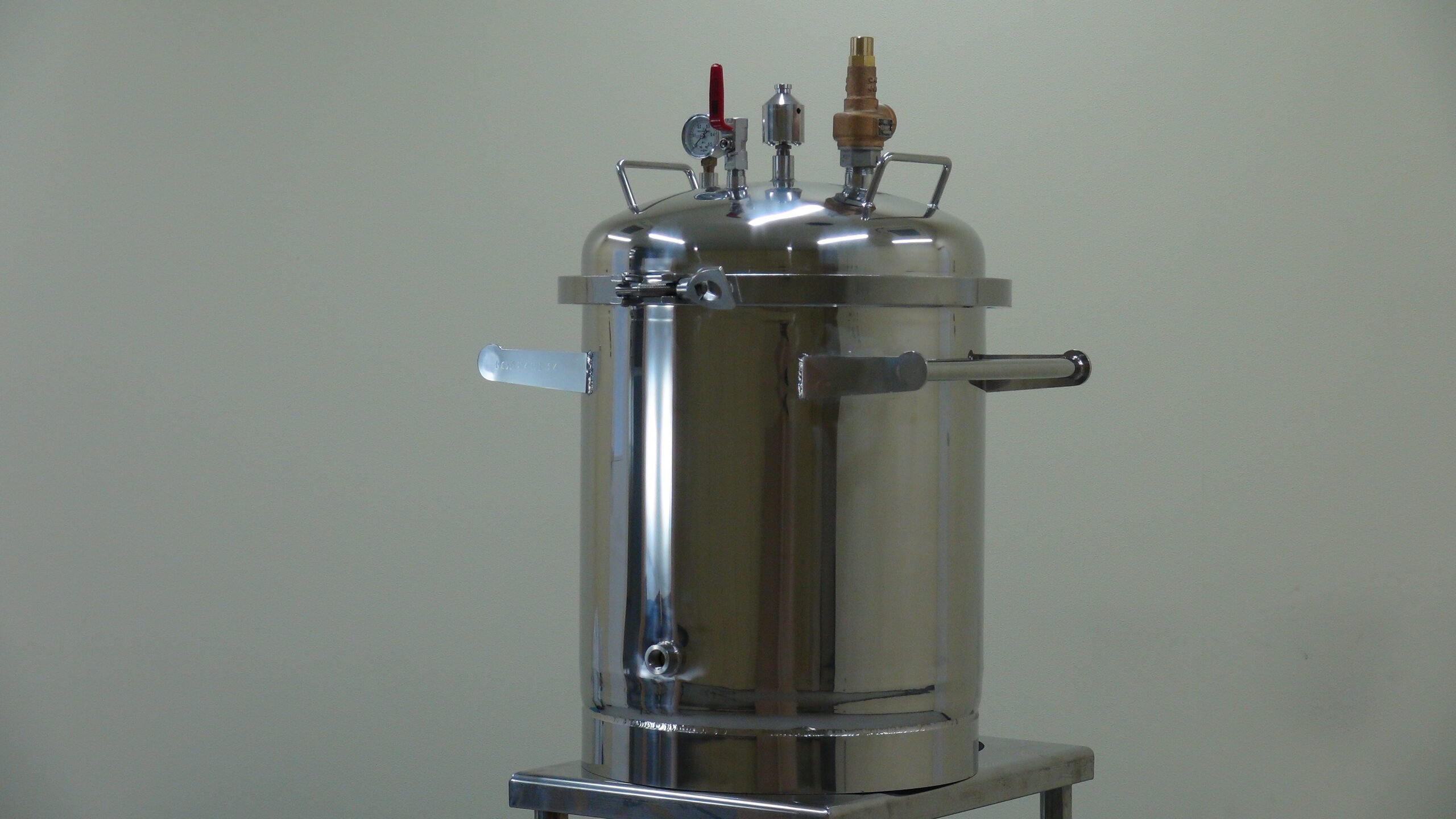
90L MODEL
Summary
90L model at a glance
The 90L commercial pressure cooker is designed for mid-sized ramen restaurants and multi-concept dining businesses. With a working pressure of 0.2 MPa and a water capacity of 75 L, it yields about 40–55 L of broth per batch (estimate). It is manufactured by Meiwa Seisakusho.
- Best suited forMid-sized ramen restaurants and multi-concept dining
- Broth yield per batch (est.)40–55 L
- How it differs from other sizesSame Φ450 mm diameter as the 50L, extended in height for greater capacity
Specifications
Product Specs
Same Φ450mm diameter as the 50L — extended in height for greater capacity without expanding your kitchen footprint.
Working Pressure
0.2 MPa
Inner Diameter
Φ450 mm
Dimensions (W×H)
W590 × H826 mm
Material
Stainless Steel (SUS304)
Weight
approx. 52 kg
Water Capacity (max fill)
75 L
Broth Yield (est.)
40–55 L
Certification
ASME Compliance Available
Included
Liquid transfer hose
Options
Stand, dedicated frame
Manufacturer
Meiwa Seisakusho
Features
90L Model Highlights

01
Mid-Size Workhorse — The Shop-Floor Standard
Handles 40–55L of daily broth production — the most versatile size for active kitchens. The benchmark model for high-volume batch cooking, bridging the gap to the 110L and larger units.

02
Optimal 0.2MPa Pressure for Deep Umami
Precisely calibrated pressure for large-volume cooking delivers heat slowly and evenly through every ingredient. Suppresses bitterness while building a mellow, complex, premium-grade broth.

03
Turn Bone Waste into Savings
High pressure reduces bones to fragments, making disposal as simple as regular waste. Every last drop of broth is extracted, minimizing raw material loss and waste disposal costs.
How to Use
5-Step Operation
Anyone can produce consistently high-quality broth in these simple five steps.
1
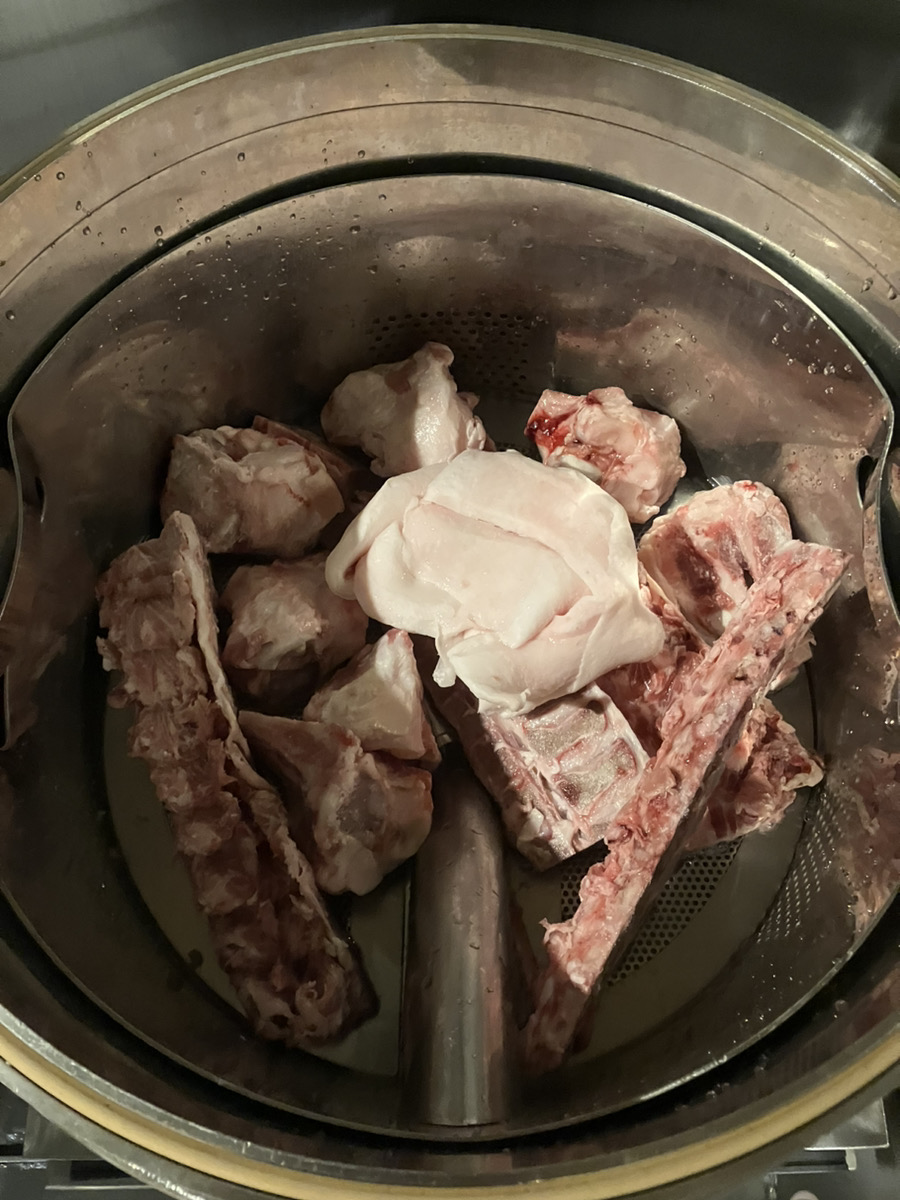
Load Ingredients
Add bones, vegetables, and water. Do not exceed the max fill line (75L).
2
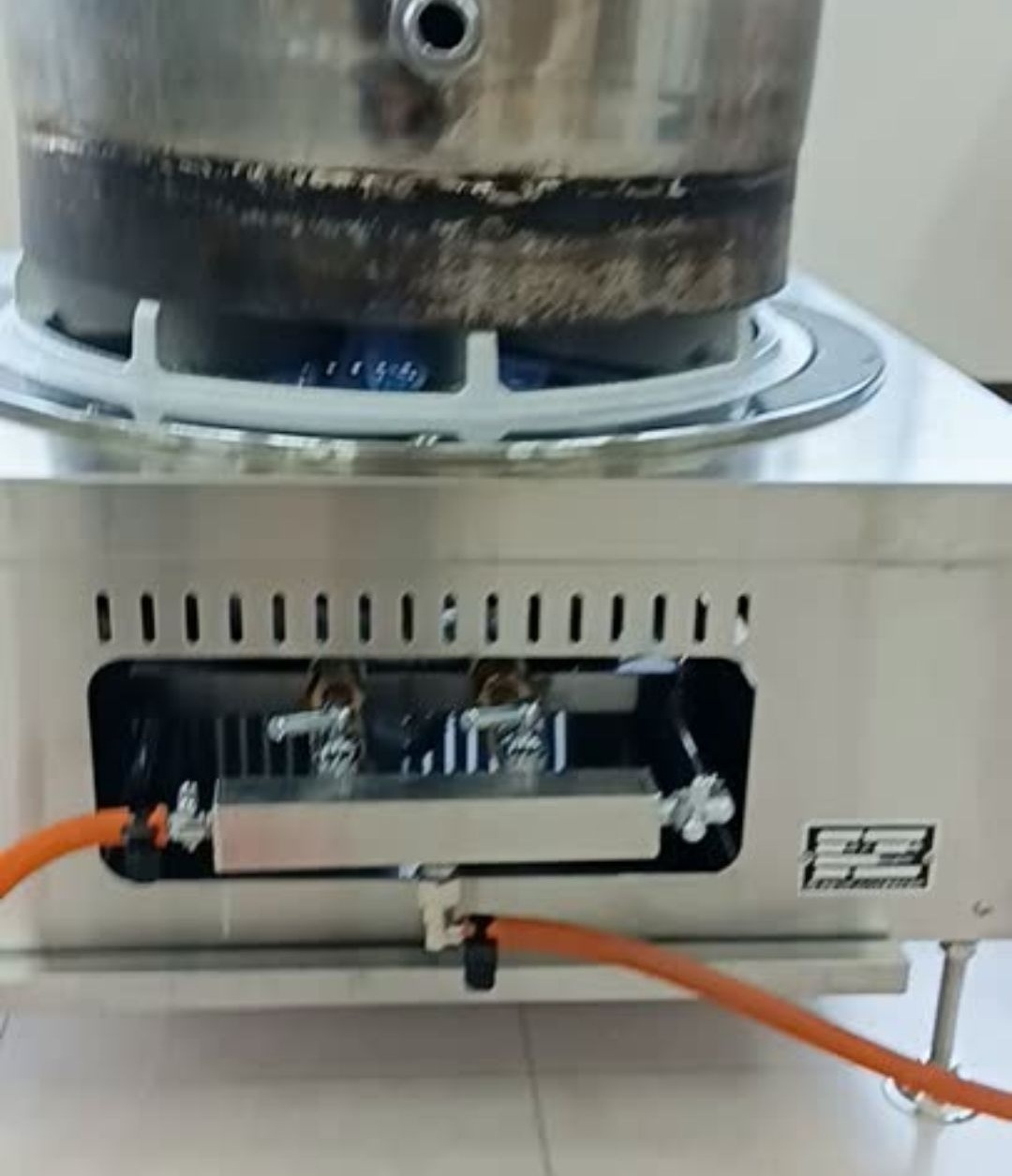
Seal & Heat
Secure the lid and apply heat. Pressure will build gradually.
3
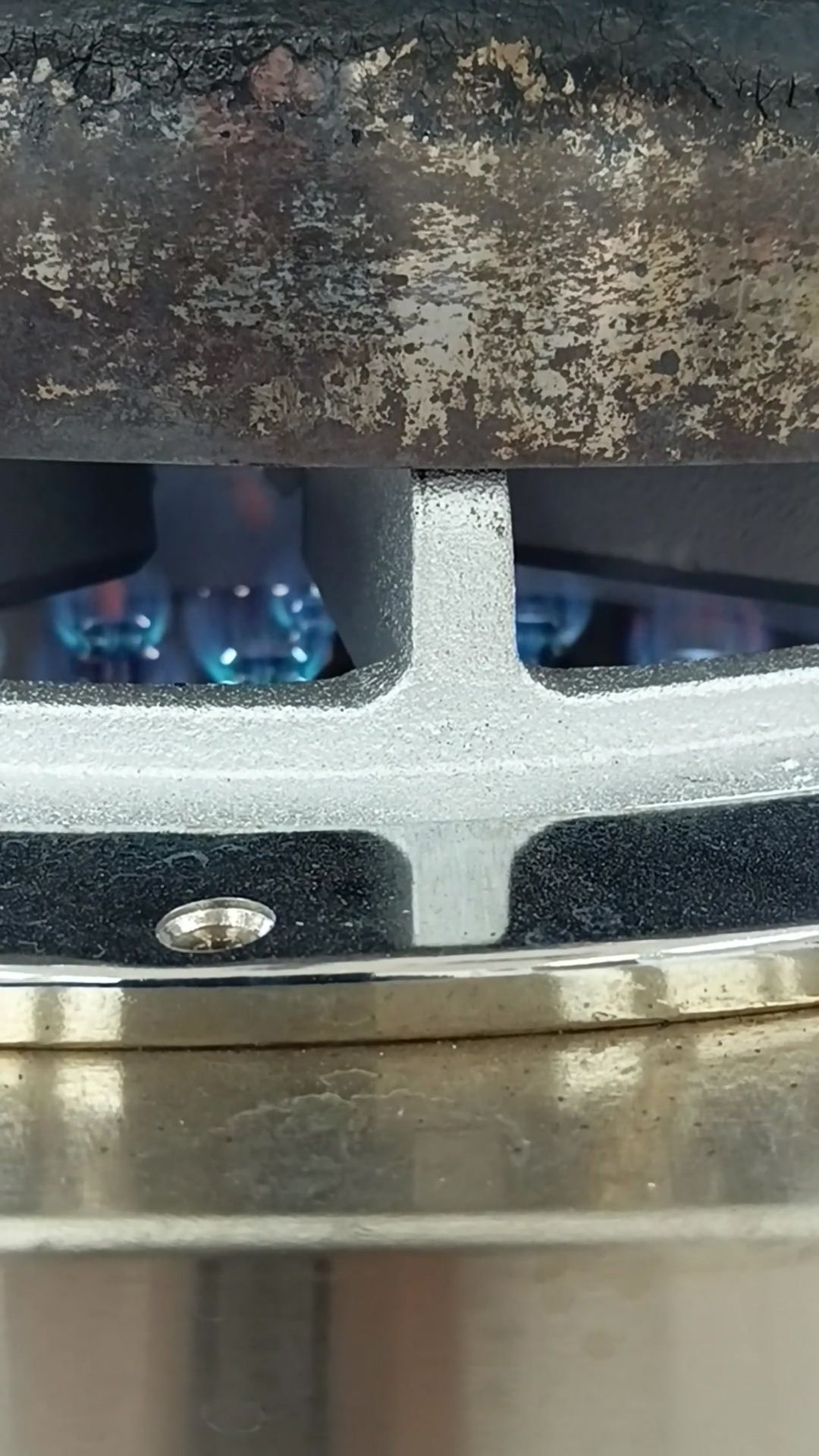
Maintain Pressure
Once 0.2 MPa is reached, reduce to low heat and hold for the set time.
4
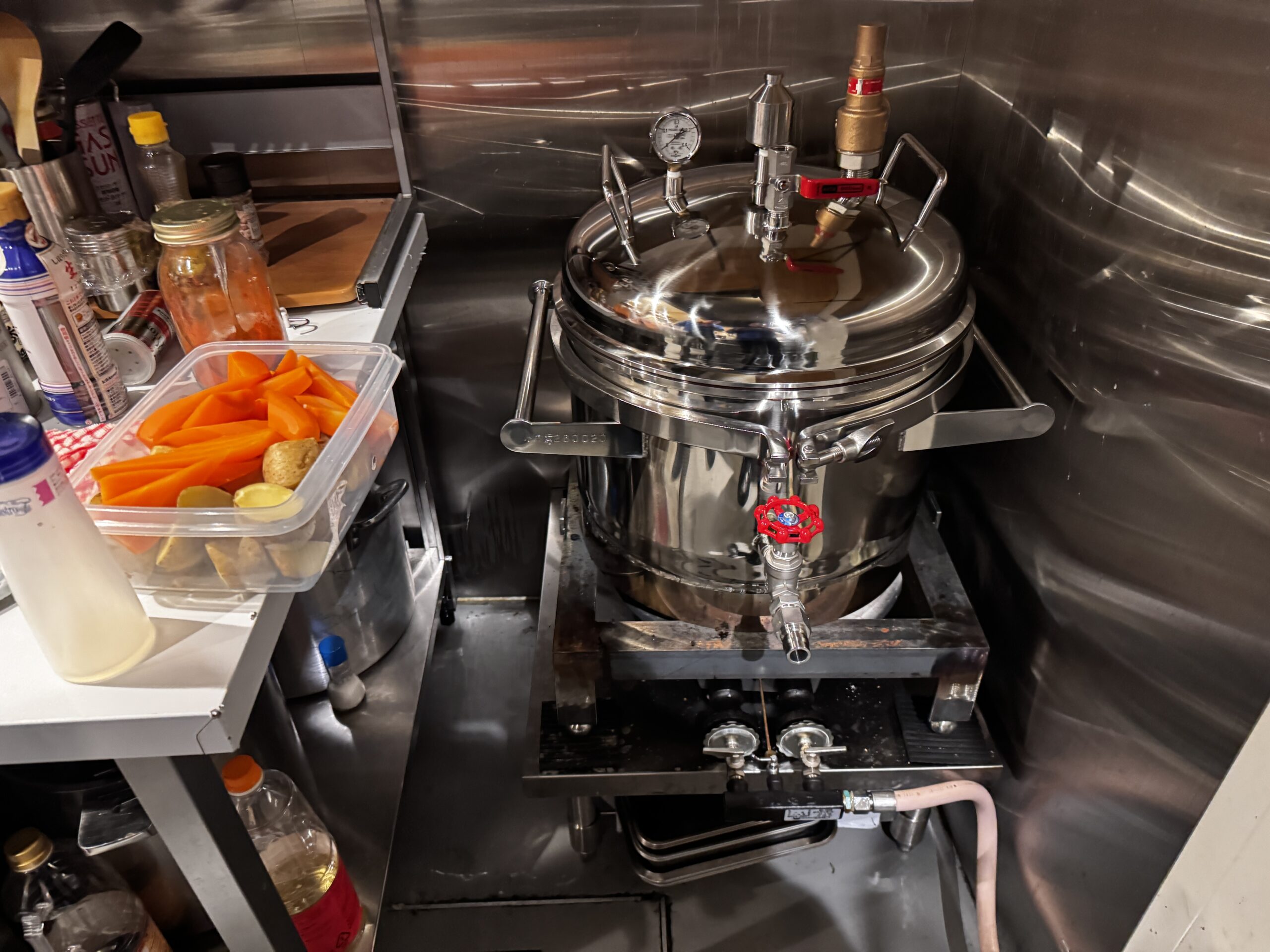
Depressurize
Allow natural pressure release or use water cooling to safely reduce pressure.
5
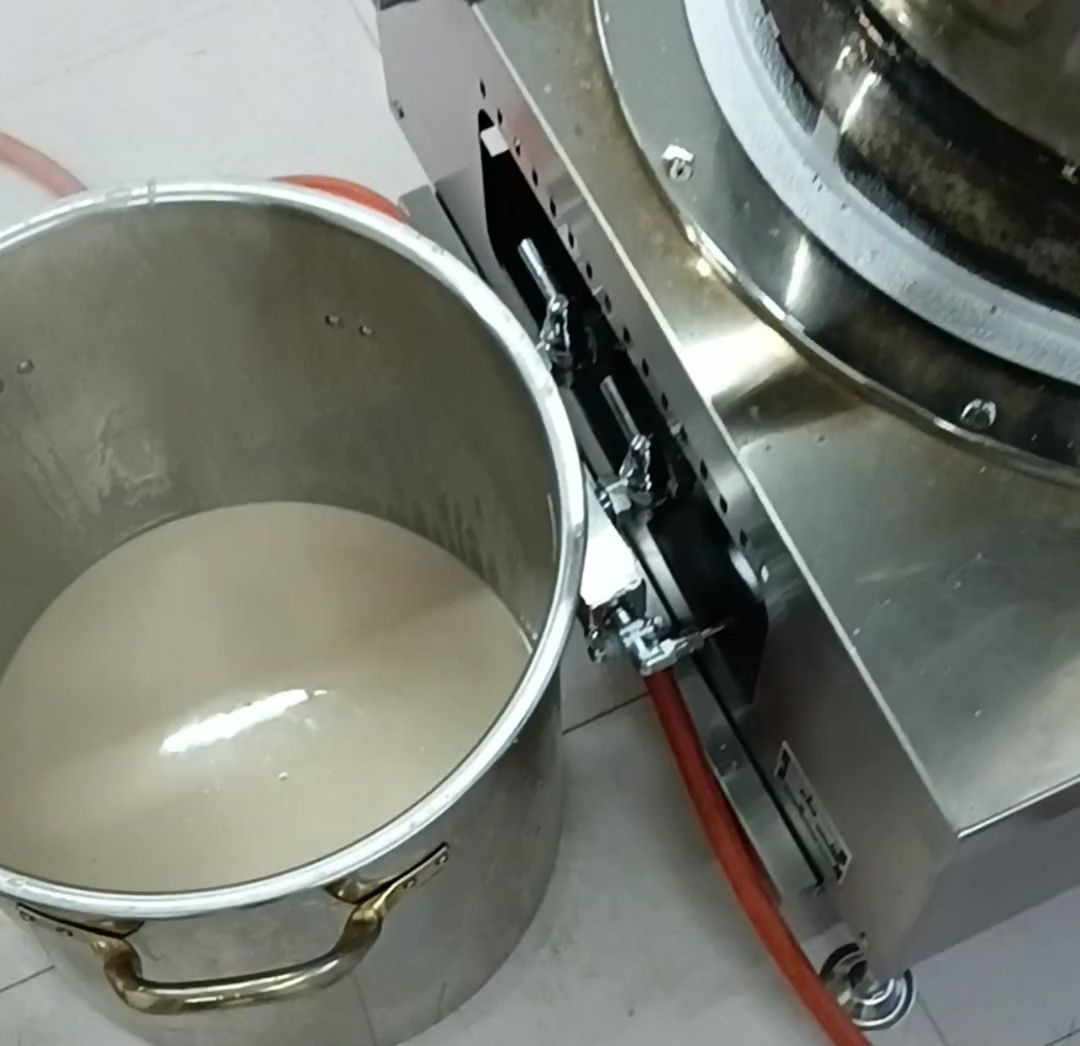
Extract & Emulsify
Use the liquid transfer hose to extract broth — emulsification occurs automatically.
Package
Included & Options
Standard Included
Liquid transfer hose
Included
Operation manual (Japanese)
Included
Warranty card
Included
Options
Height-adjustable stand
Extra
Dedicated frame
Extra
Installation support
Inquiry
Product Lineup
Model Comparison
| Model | Working Pressure | Inner Dia. | Dimensions (W×H) | Water Cap. | Broth Yield (est.) | Best Suited For | Weight | Cert. | |
|---|---|---|---|---|---|---|---|---|---|
| Pressure Cooker 50L | 0.3 MPa | Φ450 | W590×H636 | 40L | 20–25 L | Small shops / ramen specialty shops | ~48kg | ASME Compliance Available | Details → |
| Pressure Cooker 90L | 0.2 MPa | Φ450 | W590×H826 | 75L | 40–55 L | Mid-sized shops / multi-concept dining | ~52kg | ASME Compliance Available | ← Current |
| Pressure Cooker 110L | 0.15 MPa | Φ510 | W644×H900 | 100L | 60–80 L | Large chains / central kitchens | ~63kg | ASME Compliance Available | Details → |
| Pressure Cooker 130L | 0.13 MPa | Φ510 | W644×H990 | 120L | 66–100 L | Central kitchens / high-volume facilities | ~66kg | ASME Compliance Available | Details → |
Frequently Asked Questions
I hear the 90L is the most popular model. What’s the biggest reason it’s chosen?
It strikes the best balance between capacity and ease of use. It fits perfectly with the daily prep volume of a typical ramen restaurant—40–55L (roughly 100–150 servings)—and with a variety of rental plans available, it’s chosen widely from first-time openings to multi-location expansion.
Is the “monthly gas bill cut from ¥150,000 to ¥70,000” figure actually from the 90L model?
Yes, results from shops that have adopted the 90L model serve as one benchmark. Simmering that once took over 10 hours with a conventional stockpot is reduced to about 1/4 the time with the 90L model. Because only a low flame is needed to maintain pressure after it’s reached, gas costs—as well as kitchen air-conditioning electricity costs—are dramatically reduced.
When the 90L pot is full of broth, is there a safe way to transfer it to another stockpot?
A dedicated liquid-transfer hose and valve mechanism are standard equipment on this product. There’s no need to lift a heavy stockpot or ladle the broth out repeatedly—just open the valve and broth flows safely and smoothly into another container.
During pressurized cooking at 0.2MPa, can I open the lid mid-way to taste or add ingredients?
The lid cannot be opened during pressurized cooking for safety reasons. However, because cooking takes place in a completely sealed space unaffected by outside temperature or humidity, setting the same time schedule and heat level every time consistently produces a uniform, stable flavor—no need to check inside at all.
You mention a “double-structure for burn prevention.” Will extremely thick, concentrated broth really never scorch?
Correct, it won’t scorch. The interior uses a double-structure with an inner basket that has a punched-metal design, keeping bones and meat from directly touching the bottom of the pot where direct heat is applied. Even high-viscosity concentrated broth won’t burn on the bottom.
Is the Tenpos rental plan’s “full replacement with brand-new unit after 7 years” available for the 90L model too?
Yes. Customers on eligible Tenpos rental plans receive not only regular inspections and replacement of worn parts, but also a complete unit replacement with a brand-new model after 7 years. You can maintain quality with peace of mind over the long term.
With daily full-capacity use of the 90L, how long do consumable gaskets typically last?
Depending on frequency of use and maintenance, the typical replacement interval is approximately 2 years. That said, to ensure complete safety, under rental plans we proactively replace gaskets with new ones free of charge at the annual inspection.
I want to prepare about 60L per day—should I choose the 50L or the 90L model?
We strongly recommend the 90L model. The 50L model’s maximum effective soup capacity is about 40L, so to prepare 60L you would need two batches. With the 90L model (effective capacity approx. 80L), you can prepare 60L in a single batch.
After bones are pulverized by pressure cooking, is it acceptable to dispose of them as regular garbage?
Yes, there is no issue. High-pressure cooking dissolves the calcium and organic matter from bones into the broth, leaving them in a state where a light touch crumbles them like sand. They can be disposed of as ordinary burnable garbage, with no need for costly industrial waste processing.
For the annual boiler association inspection, who is responsible for the costs and procedures?
Pressure cookers are legally required to undergo annual inspections. For customers on Tenpos or other rental/lease plans, inspection procedures, basic scheduling, and maintenance costs are included in the plan, so you won’t be burdened with complicated procedures.
Questions or Request a Quote
Feel free to reach out regarding specifications, pricing, or installation requirements.
Our team will respond promptly.