Product Details
ASME Compliance Available
Pressure Cooker
130L
Meiwa’s flagship large-capacity commercial pressure cooker. Engineered for central kitchens and high-volume facilities — up to 100L of broth per batch, industry-leading throughput.
0.13 MPa
Working Pressure
120L
Water Capacity
~66kg
Weight
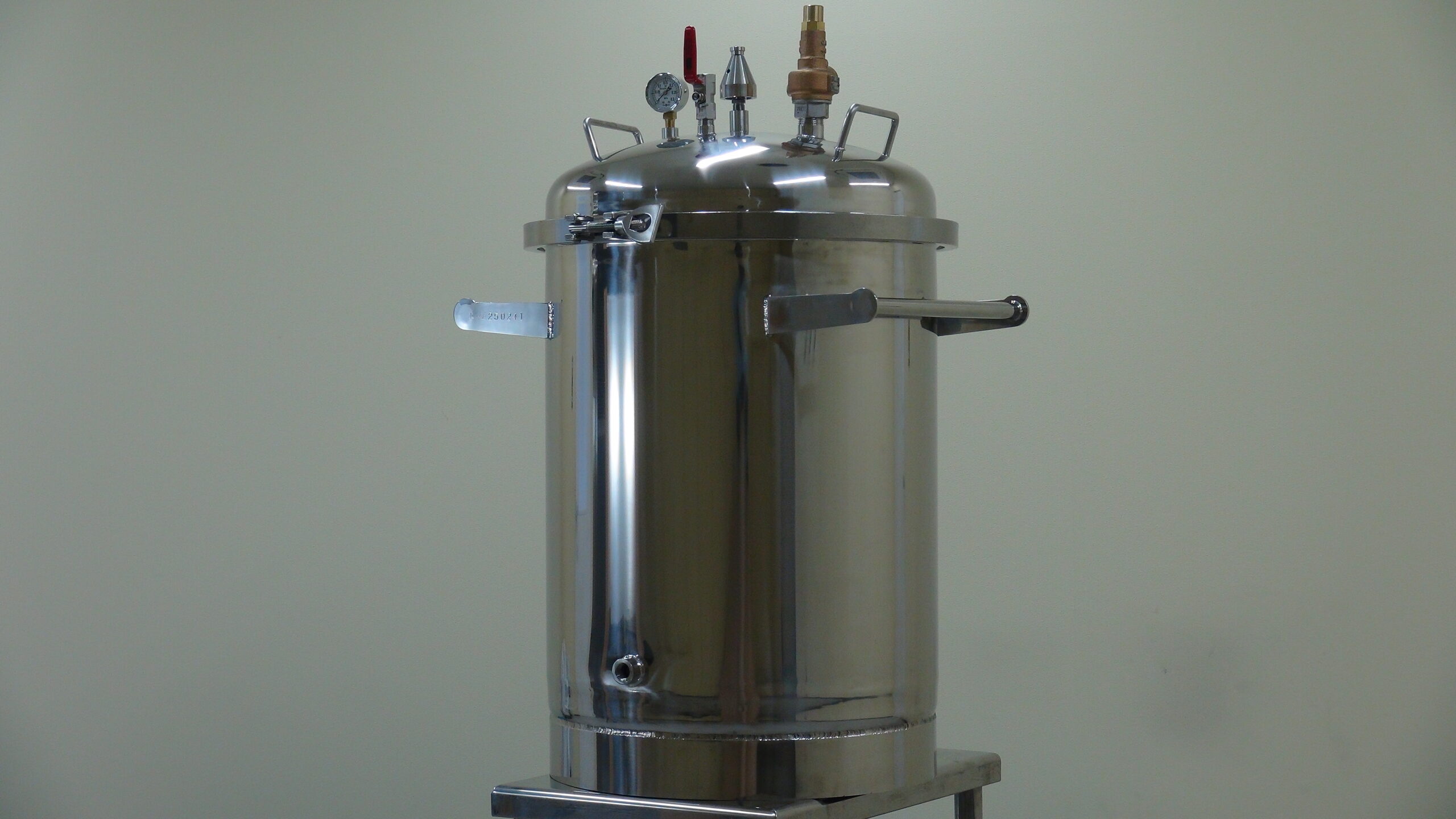
130L MODEL
Summary
130L model at a glance
The 130L commercial pressure cooker has the largest capacity in the lineup and is designed for central kitchens and high-volume production facilities. With a working pressure of 0.13 MPa and a water capacity of 120 L, it yields about 66–100 L of broth per batch (estimate). It is manufactured by Meiwa Seisakusho.
- Best suited forCentral kitchens and high-volume production facilities
- Broth yield per batch (est.)66–100 L
- How it differs from other sizesSame Φ510 mm bore as the 110L, extended in height for the largest capacity in the lineup
Specifications
Product Specs
Maximum capacity in the lineup. Same Φ510mm bore as the 110L, extended vertically for peak throughput.
Working Pressure
0.13 MPa
Inner Diameter
Φ510 mm
Dimensions (W×H)
W644 × H990 mm
Material
Stainless Steel (SUS304)
Weight
approx. 66 kg
Water Capacity (max fill)
120 L
Broth Yield (est.)
66–100 L
Certification
ASME Compliance Available
Included
Liquid transfer hose
Options
Stand, dedicated frame
Manufacturer
Meiwa Seisakusho
Features
130L Model Highlights

01
Maximum-Class Capacity for Mega-Batch Prep
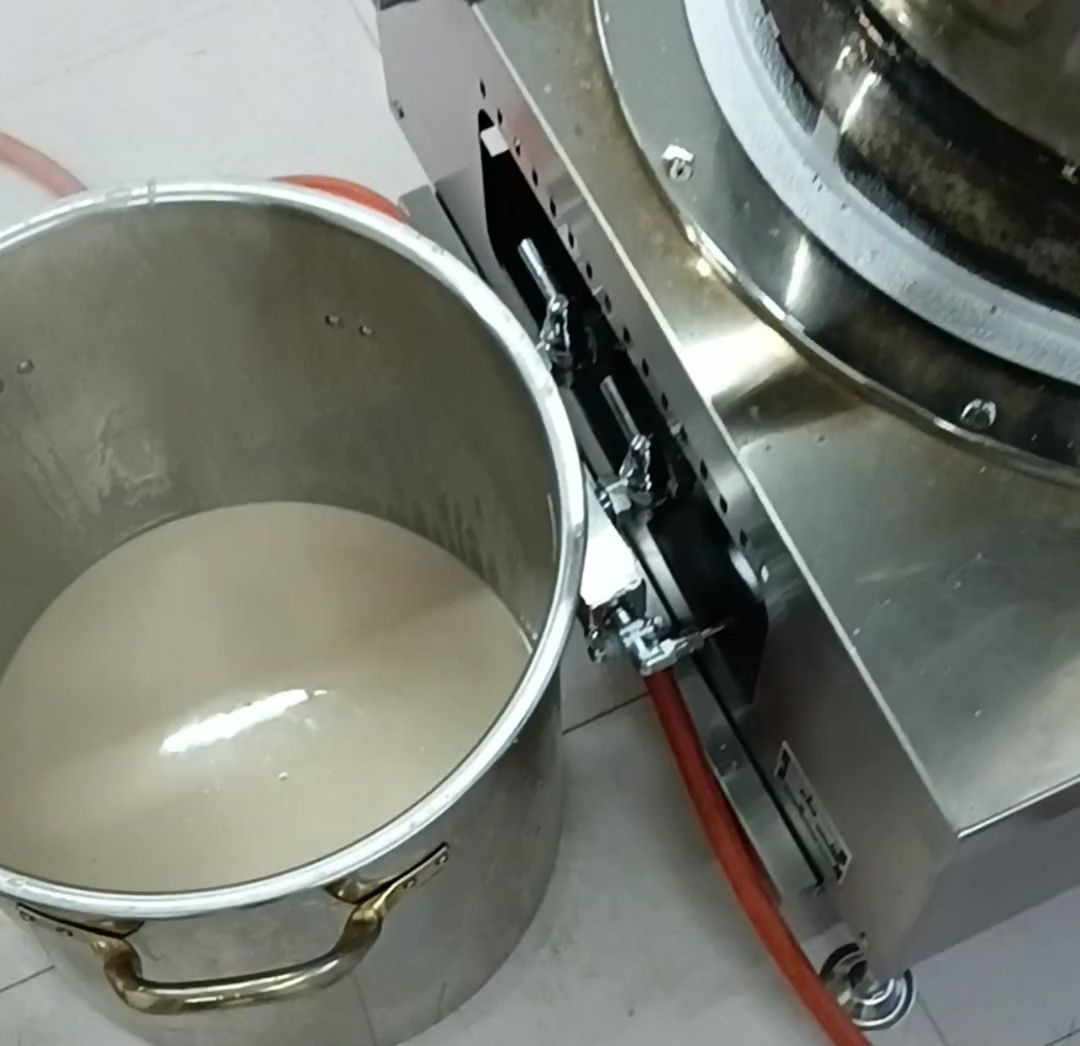
An overwhelming size that lets you prepare up to 100L of soup in a single batch. The ultimate partner for central kitchens and ultra-high-volume restaurants with extraordinary soup consumption demands.
02
Precise 0.13MPa for Deep Ingredient Extraction
An optimal pressure design tailored for extra-large volumes of ingredients, transferring heat slowly and gently. Thoroughly suppresses off-flavors while drawing out clear, refined umami to the fullest.

03
Consolidate Stockpots, Maximize Kitchen Space
Consolidate all the prep work previously done across multiple standard stockpots into this single unit. Free up valuable kitchen space and eliminate the wasted equipment costs and maintenance fees of running multiple pots.
How to Use
5-Step Operation
Anyone can produce consistently high-quality broth in these simple five steps.
1
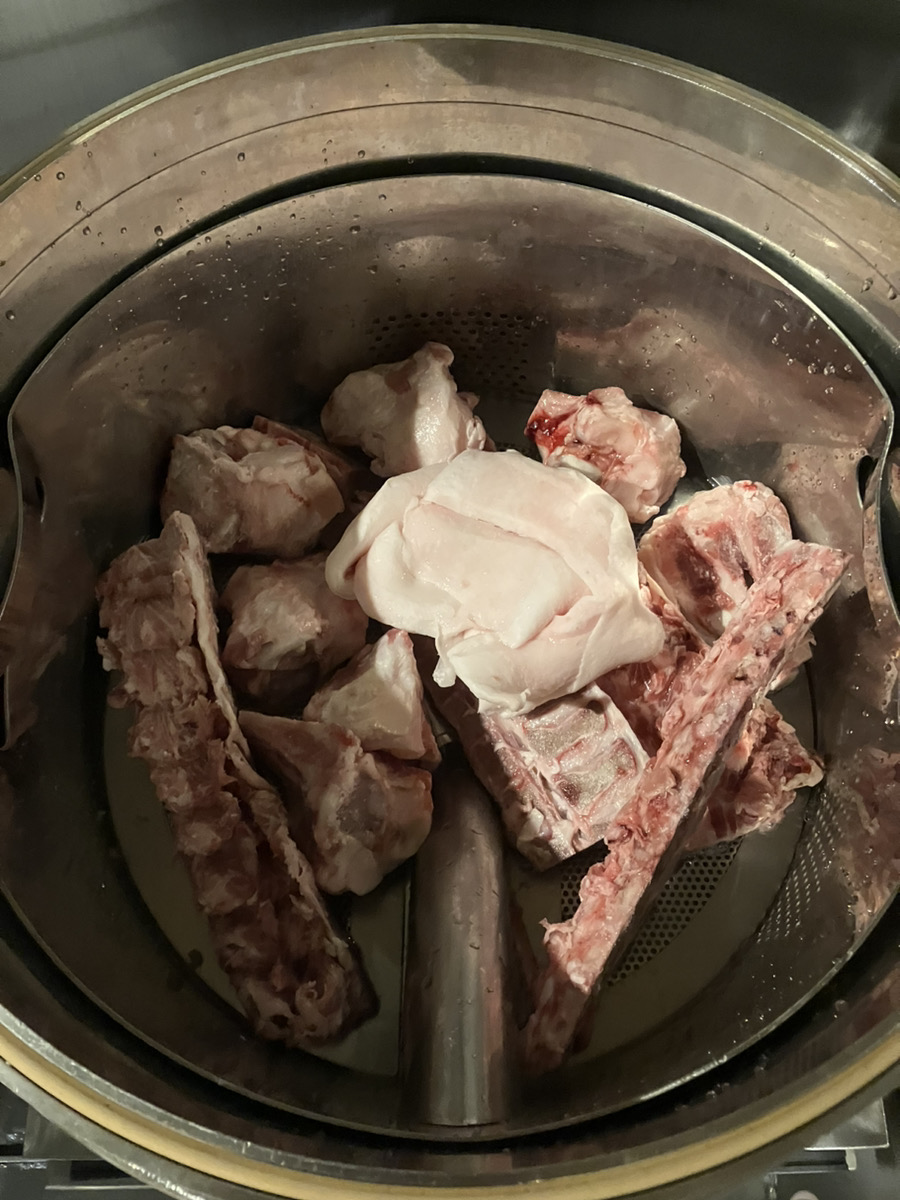
Load Ingredients
Add bones, vegetables, and water. Do not exceed the max fill line (120L).
2
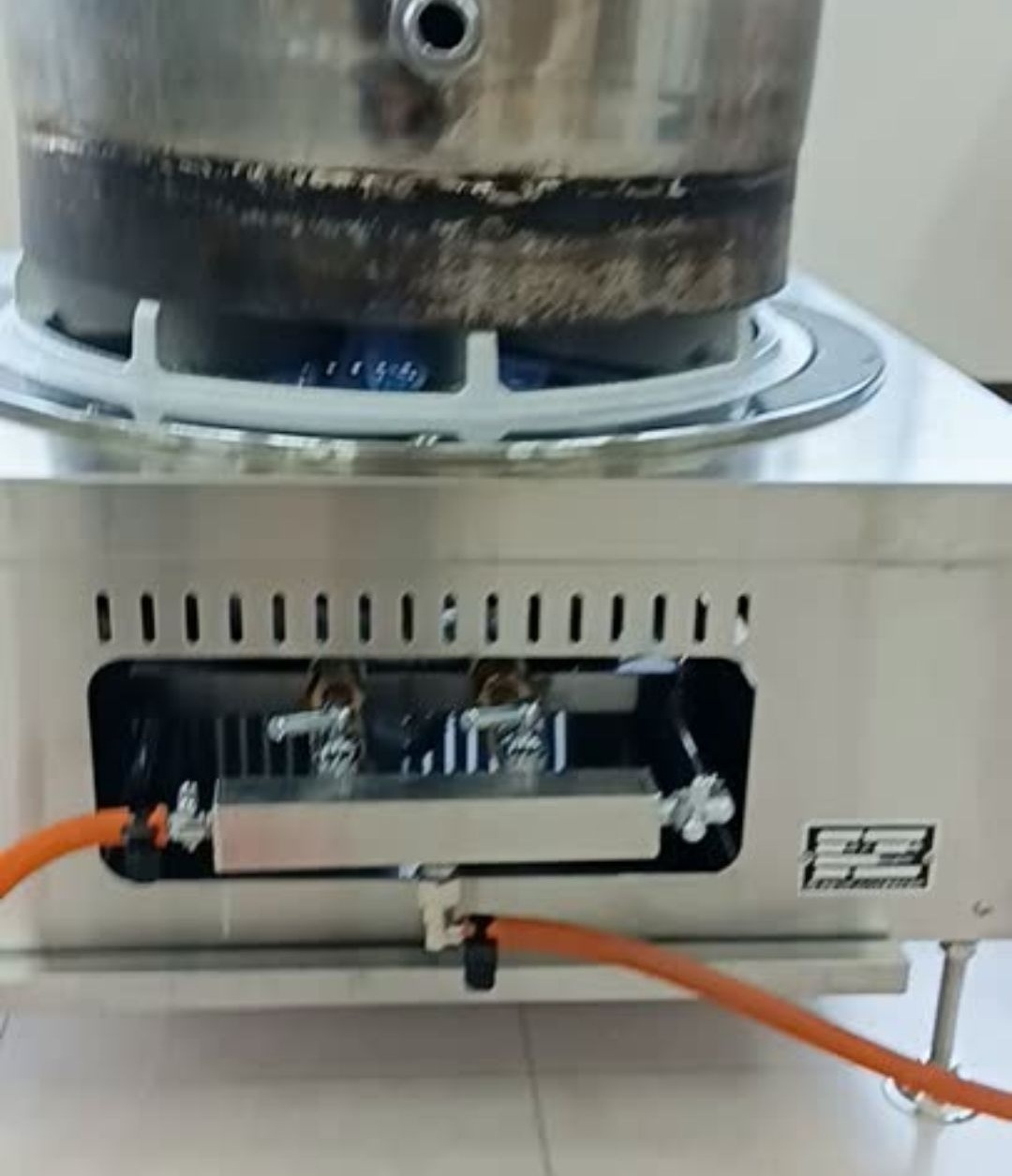
Seal & Heat
Secure the lid and apply heat. Pressure will build gradually.
3
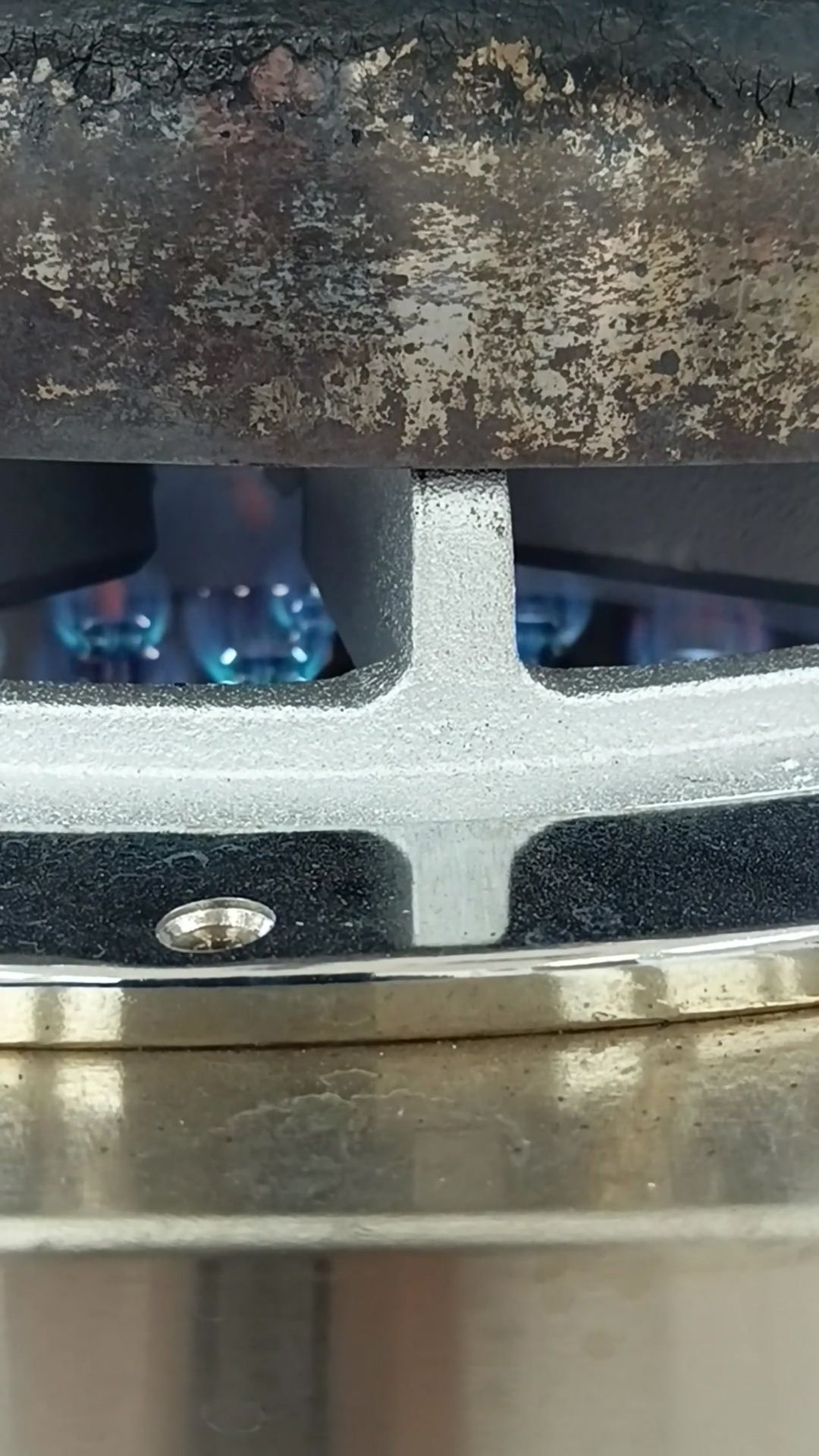
Maintain Pressure
Once 0.13 MPa is reached, reduce to low heat and hold for the set time.
4
Depressurize
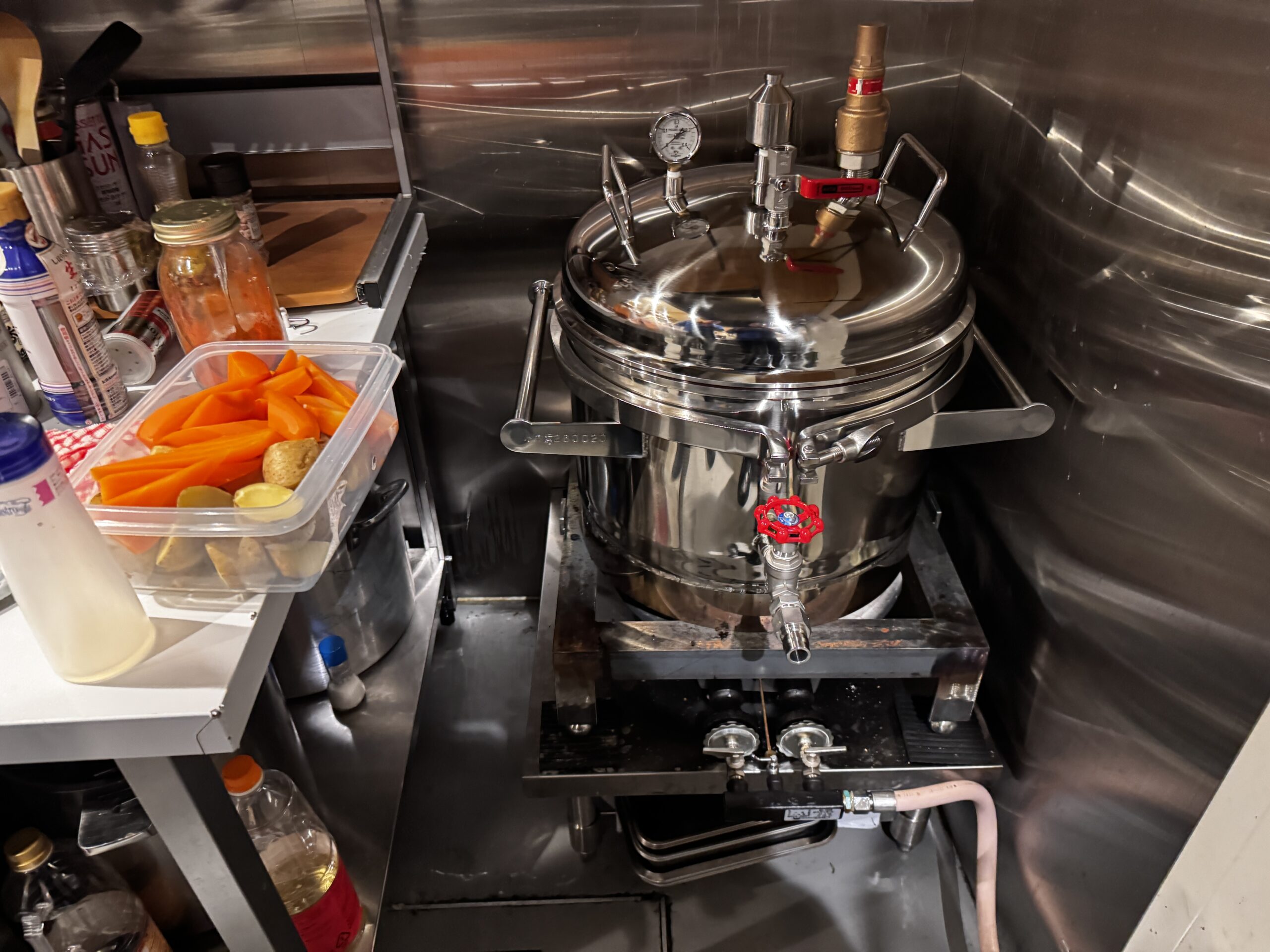
Allow natural pressure release or use water cooling to safely reduce pressure.
5

Extract & Emulsify
Use the liquid transfer hose to extract broth — emulsification occurs automatically.
Package
Included & Options
Standard Included
Liquid transfer hose
Included
Operation manual (Japanese)
Included
Warranty card
Included
Options
Height-adjustable stand
Extra
Dedicated frame
Extra
Installation support
Inquiry
Product Lineup
Model Comparison
| Model | Working Pressure | Inner Dia. | Dimensions (W×H) | Water Cap. | Broth Yield (est.) | Best Suited For | Weight | Cert. | |
|---|---|---|---|---|---|---|---|---|---|
| Pressure Cooker 50L | 0.3 MPa | Φ450 | W590×H636 | 40L | 20–25 L | Small shops / ramen specialty shops | ~48kg | ASME Compliance Available | Details → |
| Pressure Cooker 90L | 0.2 MPa | Φ450 | W590×H826 | 75L | 40–55 L | Mid-sized shops / multi-concept dining | ~52kg | ASME Compliance Available | Details → |
| Pressure Cooker 110L | 0.15 MPa | Φ510 | W644×H900 | 100L | 60–80 L | Large chains / central kitchens | ~63kg | ASME Compliance Available | Details → |
| Pressure Cooker 130L | 0.13 MPa | Φ510 | W644×H990 | 120L | 66–100 L | Central kitchens / high-volume facilities | ~66kg | ASME Compliance Available | ← Current |
Frequently Asked Questions
It’s described as “maximum class among small pressure vessels”—are there government filings or certifications required for installation?
This product is designed to remain within the legal definition of a “small pressure vessel,” so there is no need to assign a dedicated certified boiler technician or similar qualified worker.
If we consolidate 3–4 conventional stockpots into this single 130L model, how much can we save on initial kitchen costs?
Running multiple conventional stockpots requires a corresponding number of high-power soup ranges (gas burners), large exhaust hoods, and significant floor space (rent). Consolidating into one 130L model can substantially reduce those ancillary equipment costs and optimize your initial capital investment.
How long does it take to transfer up to 100L of broth through the hose at one time?
Using the residual internal pressure to push the broth out all at once, even a large volume of broth can be transferred to another stockpot or storage tank in just a few minutes (approximately 3–5 minutes). It completes quickly and safely, with no heavy lifting required.
What types of broth benefit most from the moderately low 0.13MPa pressure setting?
It is most effective for slow-extracted broths such as chicken paitan and beef bone, as well as large batches of chashu (braised pork) or fond de veau. By deliberately keeping pressure at 0.13MPa, even massive quantities of ingredients can be processed without excessive stress, extracting deep, refined umami free of off-flavors.
With large quantities of bones loaded at once, is there a risk of the inner basket deforming or getting damaged?
No need to worry. The 130L model’s inner basket is welded and reinforced by skilled craftspeople using premium extra-thick stainless steel, designed to withstand the weight of large quantities of bones and meat. It’s built to professional-grade robustness that resists deformation and damage even under daily heavy loading and the harsh high-pressure environment.
Can it withstand near-24-hour intensive use in a central kitchen?
Yes, it is fully capable. Meiwa Seisakusho, the manufacturer behind this site, is a specialist maker of equipment for food processing plants and pharmaceutical factories where high precision and durability are essential. Manufactured to those exacting quality standards, the unit is designed to endure harsh continuous operation such as cooking broth for multiple restaurant locations around the clock.
I want to export the 130L model to overseas locations. Is ASME certification (U-stamp, etc.) available?
Yes. Meiwa Seisakusho has a manufacturing line compliant with ASME BPVC Section VIII Division 1, which is required in more than 100 countries including the United States and across Asia. Custom manufacturing and the relevant documentation (U-1 form, etc.) for your destination’s regulations are available—please contact the manufacturer directly.
The unit sounds quite heavy—can it be customized with casters or other features for moving it around the kitchen?
Safety must come first: the unit must be firmly fixed or stably placed on the floor during pressurized cooking. However, options for moving the unit during cleaning or layout changes—and other custom specifications (OEM support)—can be discussed. Because we handle everything from drawing design to production in-house, we can respond flexibly to your needs.
Even for the extra-large 130L, is the annual maintenance and inspection cycle the same as other sizes?
Yes, it is the same. Regardless of capacity, the periodic inspection cycle under Japanese law is once per year. Following the dealer’s support plan, our specialist staff will regularly check worn parts such as gaskets and verify the safety valve operation, so the large model requires no extra effort on your part.
Is it possible to have an even larger custom or OEM unit beyond 130L manufactured if needed?
Yes, we welcome inquiries. We are a stainless-steel fabrication manufacturer that handles everything from design to production in our own factory in a one-stop process. We can accommodate custom orders for extra-large sizes or special shapes—such as for central kitchens of chain restaurant groups—as well as OEM manufacturing, while confirming specifications and applicable regulations.
Questions or Request a Quote
Feel free to reach out regarding specifications, pricing, or installation requirements.
Our team will respond promptly.